

Indigenous Equity & Bridging Cultures
This week on the show, we highlight two developing stories around barriers to access for Indigenous communities in western and northern New Mexico before slowing down and taking in some poetic advice.
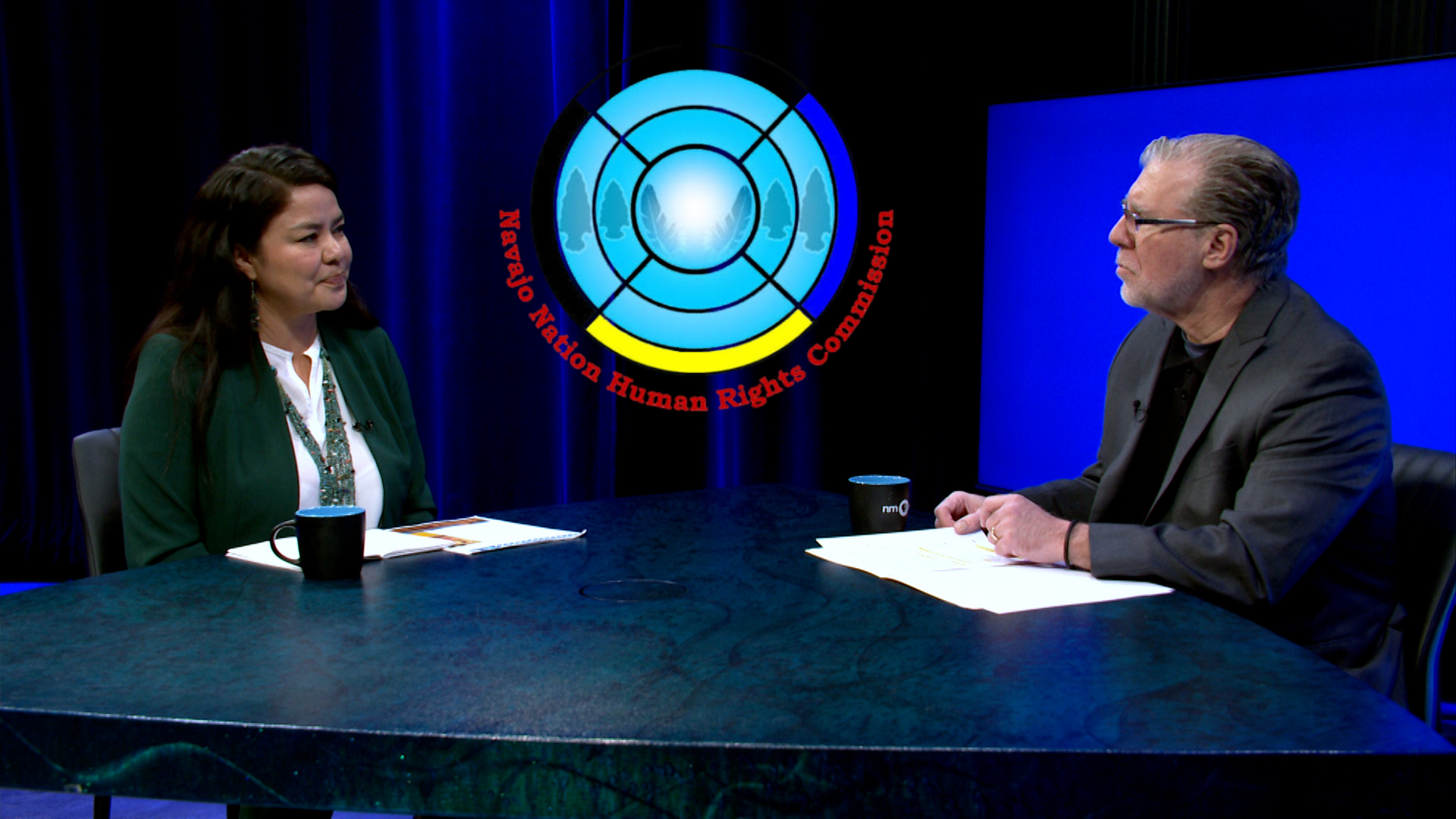
First, New Mexico In Depth Executive Director Trip Jennings speaks with Dr. Wendy Greyeyes (Diné), the chair of the Navajo Nation Human Rights Commission, about two completed reports detailing disproportionate discipline carried out against Indigenous and Hispanic students in the Gallup-McKinley County Schools District. The reports, one from the New Mexico Attorney General and the other from the Commission Dr. Greyeyes chairs, corroborate reporting from NMID and ProPublica back in 2022. The investigation found Native American students have it worst, getting suspended for about eight to ten times as many school days as their white peers. And Hispanic students missed three to four times as many days — all for similar behavior. In the first part of Trip’s interview, Dr. Greyeyes explains the scope of the problem, the types of discipline these students have received and the impact it’s had on their education. Then, later in the show, the two shift towards potential solutions to the problem, analyzing the recommendations put forth in each report.
Also this week, KUNM’s Jeanette DeDios (Jicarilla Apache and Diné), tries to clear up the muddied conversation around what would be the largest tribal water rights settlement in U.S. history if four states, including New Mexico, weren’t standing in the way. Jeanette interviews Heather Tanana (Diné), an assistant law professor at the University of Denver, about the complexities of the deal and the life-changing impacts it would create for the Navajo Nation, as well as the Hopi and San Juan Southern Paiute tribes.
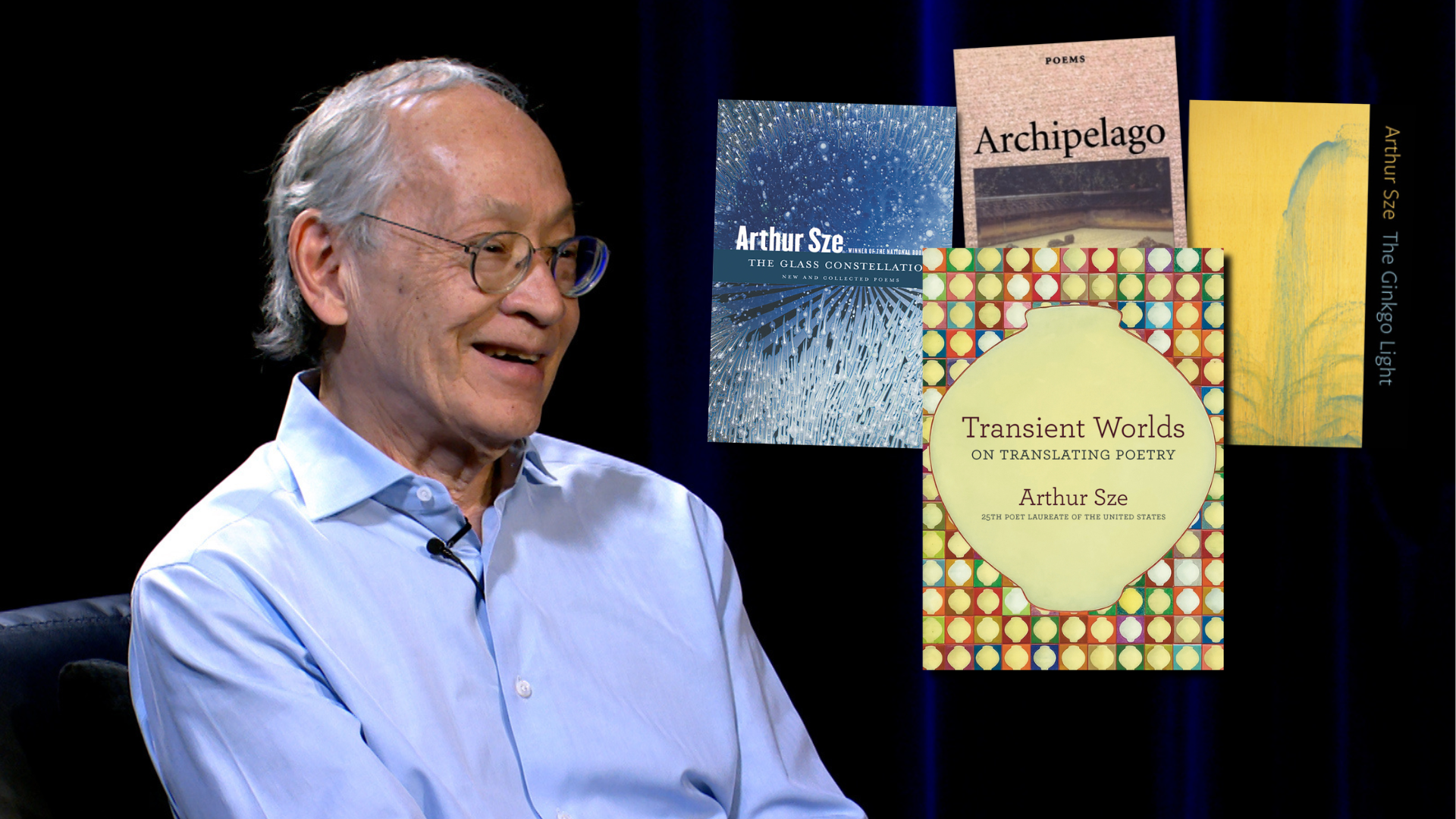
Closing the show is an interview I’m extremely excited to share: a conversation between Santa Fe-based U.S. Poet Laureate Arthur Sze and me. He shares how he first became interested in poetry and how that interest has grown, blossoming into a decades-long career that’s earned national and international recognition while inspiring his readers. Now in his second year as Poet Laureate, Sze’s focus is on translation through a project he’s named “Words Bridging Worlds.” He tells me his goal is to use poetry in a way that transcends linguistic boundaries, bringing cultures together through language.
The art of translation is a complex one for any form of the written word and, when applied to poetry, those complexities only grow. Sze explains his process to me and how anyone can try their hand at the artform. But it isn’t one that can be developed in solitude. Sze tells me the foundation is a fundamental love of language, and from there a translator must open their mind and connect.
“It’s sharing. It’s talking to different people,” he said. “It’s getting different experiences to the same poem and deepening that through conversation… As people, we need to nurture the power of our imaginations. We need to nurture the power of our language and how we speak and communicate. And poetry is language at its most musical and intense.”
I found that perspective to be particularly inspiring, not only in the context of translation, but as a mindset to adopt in as many other aspects of our lives as we can manage. We are not always afforded the time and space necessary to solve problems with the thoughtfulness and consideration that Sze uses to write and translate poetry. But, if our leaders were to heed Sze’s advice as they approach longstanding systemic barriers like the two we explore in the show this week, maybe then we could find solutions that serve every person, every community and every culture.
-Lou DiVizio, Senior Producer
-
Indigenous Equity & Bridging Cultures
This week on the show, we highlight two developing stories around barriers to access for Indigenous communities in western and northern New Mexico before slowing down and taking in some poetic advice. First, New Mexico In Depth Executive Director Trip Jennings speaks with Dr. Wendy Greyeyes (Diné), the chair of the Navajo Nation Human Rights…
-
U.S. Poet Laureate Arthur Sze on the Art of Translation
7.17.26 – Earlier this year, Santa Fe-based poet Arthur Sze accepted a second one-year term to continue his role as the 25th United States Poet Laureate. Senior Producer Lou DiVizio meets with Sze to talk about his work as a poet and a translator, as well as the relationship between his art and our state. Correspondent: Lou DiVizio …
-
How to Reform Student Discipline at Gallup Schools
7.17.26 – New Mexico In Depth Executive Director Trip Jennings joins Wendy Greyeyes, chair of the Navajo Nation Human Rights Commission, to discuss possible solutions in the wake of a new state report that found Gallup McKinley County Schools had disproportionately punished Indigenous and Hispanic students, in comparison to their white peers. Correspondent: Trip Jennings Guest: Dr. Wendy Greyeyes Ph.D. (Diné), Chair, Navajo…
-
Tribal Water Rights Deal Stalled
7.17.26 – The largest tribal water rights settlement in U.S. history is at a stalemate. The Northeastern Arizona Water Rights Settlement Act, if approved by Congress, would provide much-needed water for the Navajo Nation, as well as the Hopi and San Juan Southern Paiute tribes. A provision with the deal has received pushback from some negotiators at the table,…
-
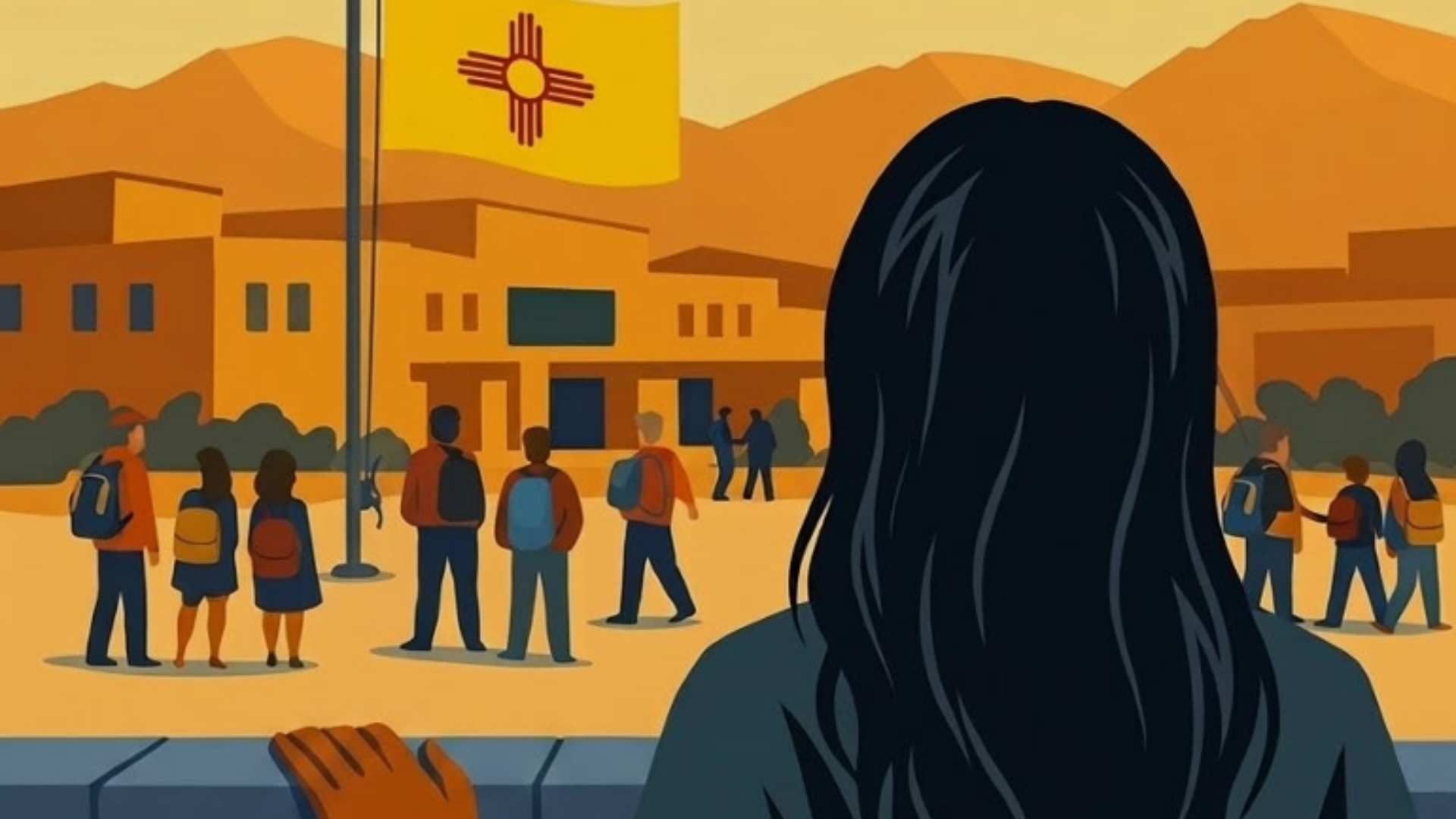
Report: Disparity in Discipline at Gallup Schools
7.17.26 – A new report from the state attorney general’s office finds Indigenous and Hispanic students are punished at Gallup McKinley County Schools far more severely than their white peers. The published findings follow an investigation from New Mexico In Depth in 2022 who first uncovered the story. In Depth Executive Director Trip Jennings sits down with Wendy Greyeyes,…