

Why We Chose to Air a Racial Slur in Our Cesar Chavez Story
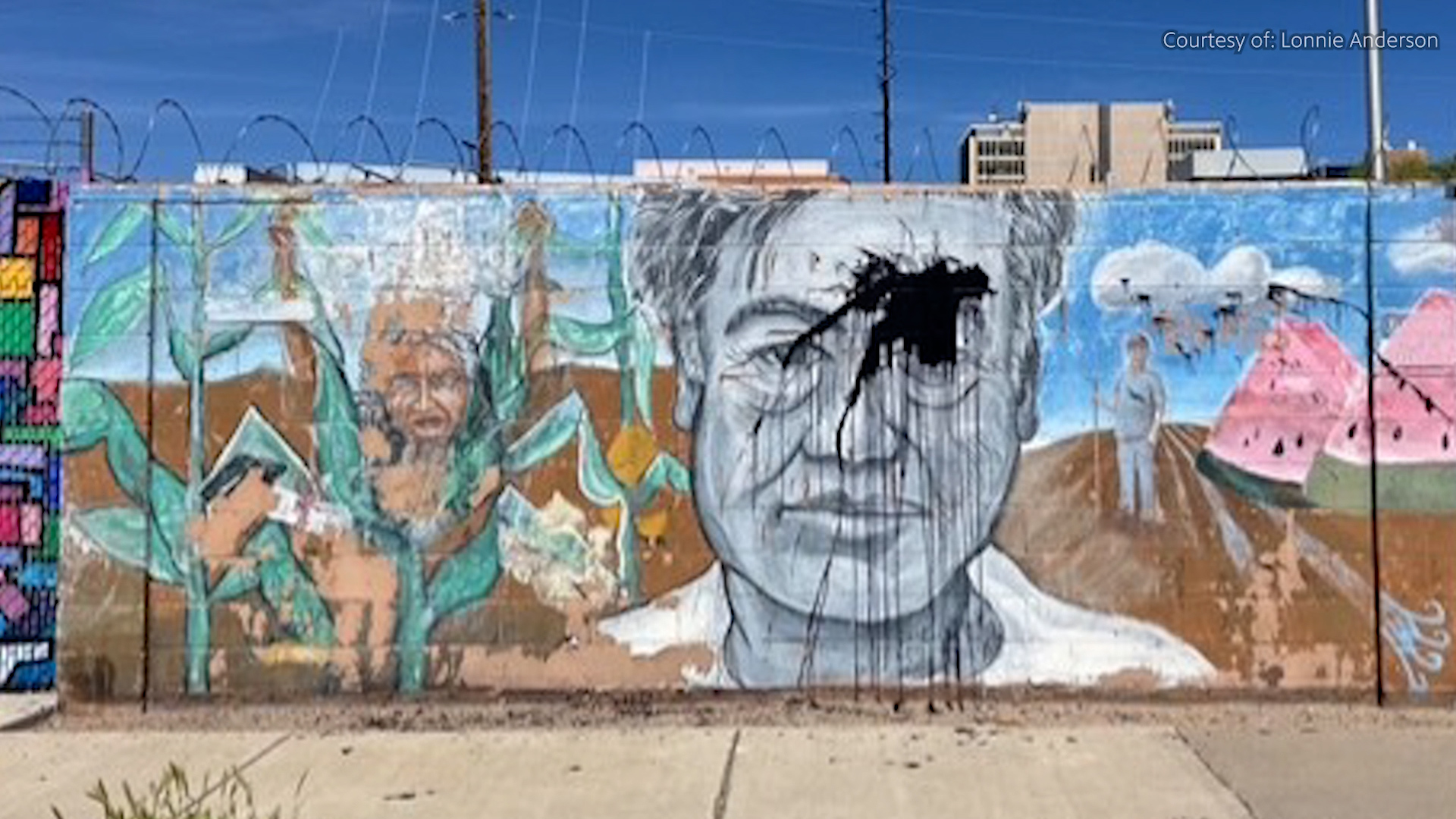
In this week’s episode of New Mexico in Focus, I’ve got a story that dives into the generational divide within the Latino and Chicano communities over the recent New York Times investigation that exposed allegations of sexual assault and child rape against United Farm Workers cofounder Cesar Chavez. Among his accusers: New Mexico native Dolores Huerta, with whom Chavez started the union.
The Times’ revelations aren’t the first time Chavez has drawn scorn — what many believe were his anti-immigrant views have been well known for decades.
Viewers who watch my piece will hear something deeply jarring: the word “wetback,” uncensored. We didn’t make the decision to air this word lightly — and we didn’t make it alone. (More on that later). We are acutely aware of the pain such language carries, particularly in New Mexico. However, as our state grapples with whether to remove Chavez’s name from buildings, streets, schools and elsewhere, we felt that shielding our audience from the reality of his rhetoric would be a disservice to the truth-telling this community demands and deserves.
Historical Context
Chavez saw Mexican workers brought in by the U.S. government to replace striking Chicano farm workers as “scabs” who crossed the picket line and drove down wages. Chavez reportedly used the slurs “wetback” and “illegals” — privately and in public — to describe them. We found multiple interviews from the 1970s where he uses the word– some that have been uploaded online.
And there are more examples of his anti-immigrant views. In 1974, he launched an “Illegals Campaign,” which directed UFW members to report undocumented workers to the Immigration and Naturalization Service —- the predecessor to ICE. Chavez also organized what he called “wet lines” along the U.S.- Mexico border — essentially private border patrol enforcers, who sometimes used violence and intimidation to prevent Mexicans from crossing.
The “Sanitized Version” vs. Reality
For decades, the history of the farmworker movement has been taught through what historian and New Mexico State LULAC Director Javier Marrufo calls a “sanitized version” — a kid-friendly take on history that removes “distressing details” to present leaders more simply.
Mireya Martinez, a farmworker and senior at UNM, grew up holding Chavez on a “big pedestal,” only to find her perception flipped when confronted with his full complexity her freshman year. We hoped to air part of Chavez’s 1973 radio interview with KQED in which he uses the slur, but we couldn’t afford the station’s asking price for the clip, so we chose to show Martinez describing when she learned Chavez had used the word instead. We wanted to show exactly why the younger generation feels, in their words, like they were “lied to this whole time.” As Martinez notes, finding out that an idol used such language felt like a “slap to the face.” To her and many of her Gen Z peers, the “good doesn’t outweigh the bad,” and the use of such slurs — and the meaning behind them — makes him “actually really evil” in their eyes. We also felt that censoring a Latina who chose to use the word — however uncomfortably — to explain her experience would contribute to the whitewashing of history.
The Generational Divide
We also hope our decision to air the word helps the audience to understand the friction between generations. N.M. Rep Patricia Roybal Caballero, D-Albuquerque, and her husband Ricardo Cardenas Caballero — who personally housed, organized with, and protected Chavez — view the slur through the lens of a different era.
Roybal Caballero, a baby boomer, argues that Chavez wasn’t a bigot, but instead, was “anti-scab,” frustrated by the federal government’s use of the Bracero program to break union picket lines. She believes Chavez “didn’t do a good job of articulating those relationships,” leaving his language open to “misconstruction.”
But younger generations reject this notion. As Marrufo, who is 34, told me, “If his stance was so anti-scab, why was he using all of these racial slurs towards them? Doesn’t really make sense in my mind.” For Marrufo and other millennials, the historical context doesn’t excuse the harm caused by the words themselves.
How We Got There
When we began discussing whether to broadcast the word “wetback,” there was a fair amount of consternation from a few members of our team — it is a slur after all. After several internal conversations, we decided to expand it. We spoke with friends, other journalists and sources — including elected officials — in the Latino/a and Chicano/a community to ask how the word would land for them. Most encouraged us to air it — primarily because Chavez said it, and words have meaning.
Another factor: We surmised that many of our viewers may not have known about Chavez’s use of racial slurs. At the same time, we weighed the history and harm words like “wetback” have.
So we chose to air it.
History, as Roybal Caballero reminded us, “goes down good and bad.”
- Cailley Chella, Reporter
-
Why We Chose to Air a Racial Slur in Our Cesar Chavez Story
In this week’s episode of New Mexico in Focus, I’ve got a story that dives into the generational divide within the Latino and Chicano communities over the recent New York Times investigation that exposed allegations of sexual assault and child rape against United Farm Workers cofounder Cesar Chavez. Among his accusers: New Mexico native Dolores…
-
Albuquerque Police, Surveillance Tools and Privacy Concerns
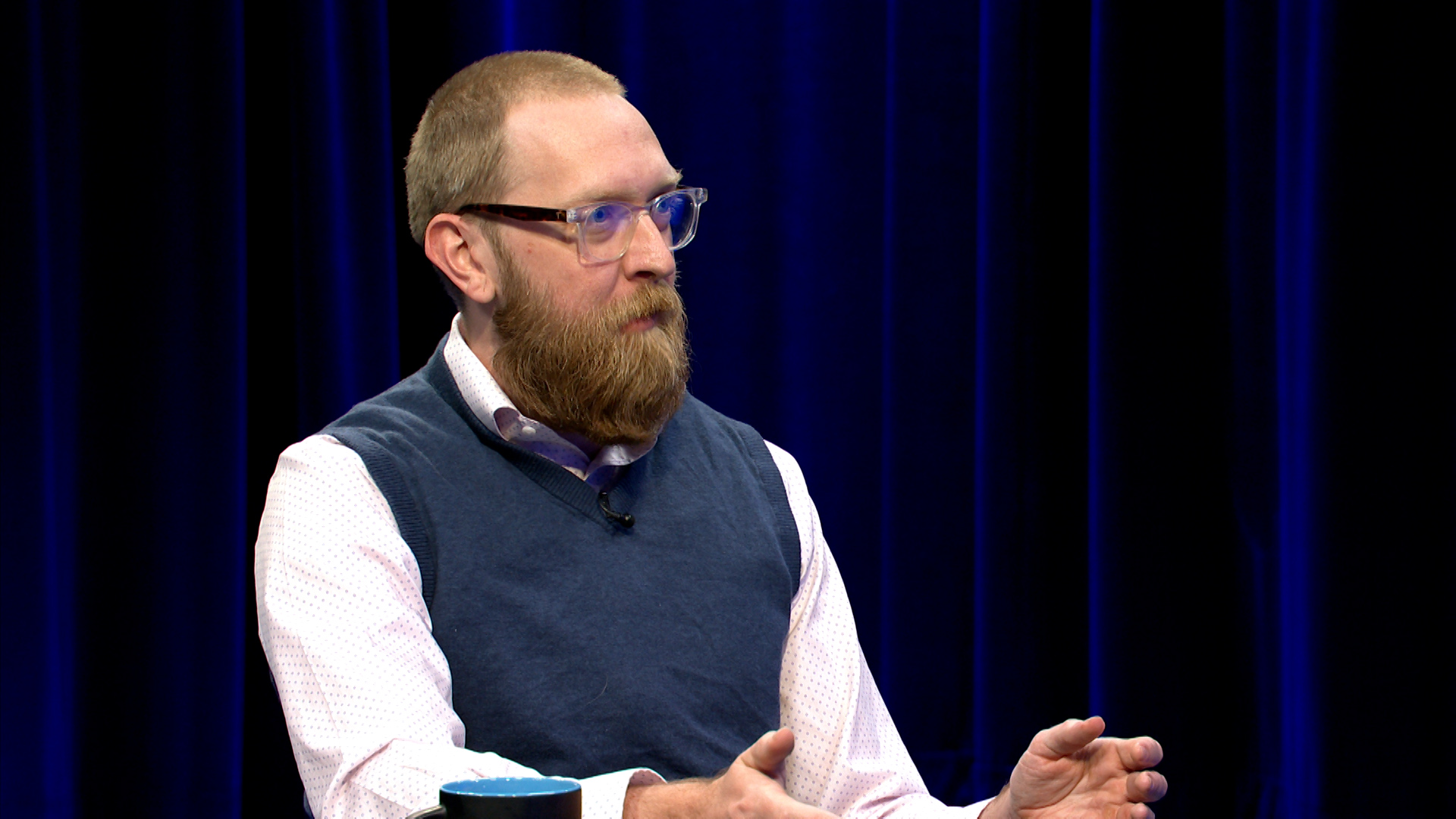
4.17.26 – Last week, we dove deep on the new leadership at the Albuquerque Police Department. Daniel Williams, a policy advocate with the ACLU of New Mexico, had a civil rights-focused conversation with Executive Producer Jeff Proctor on the police department’s new top brass. This week, we pick back up with Williams and Proctor chatting about privacy…
-
Rep. Leger Fernandez on the War in Iran
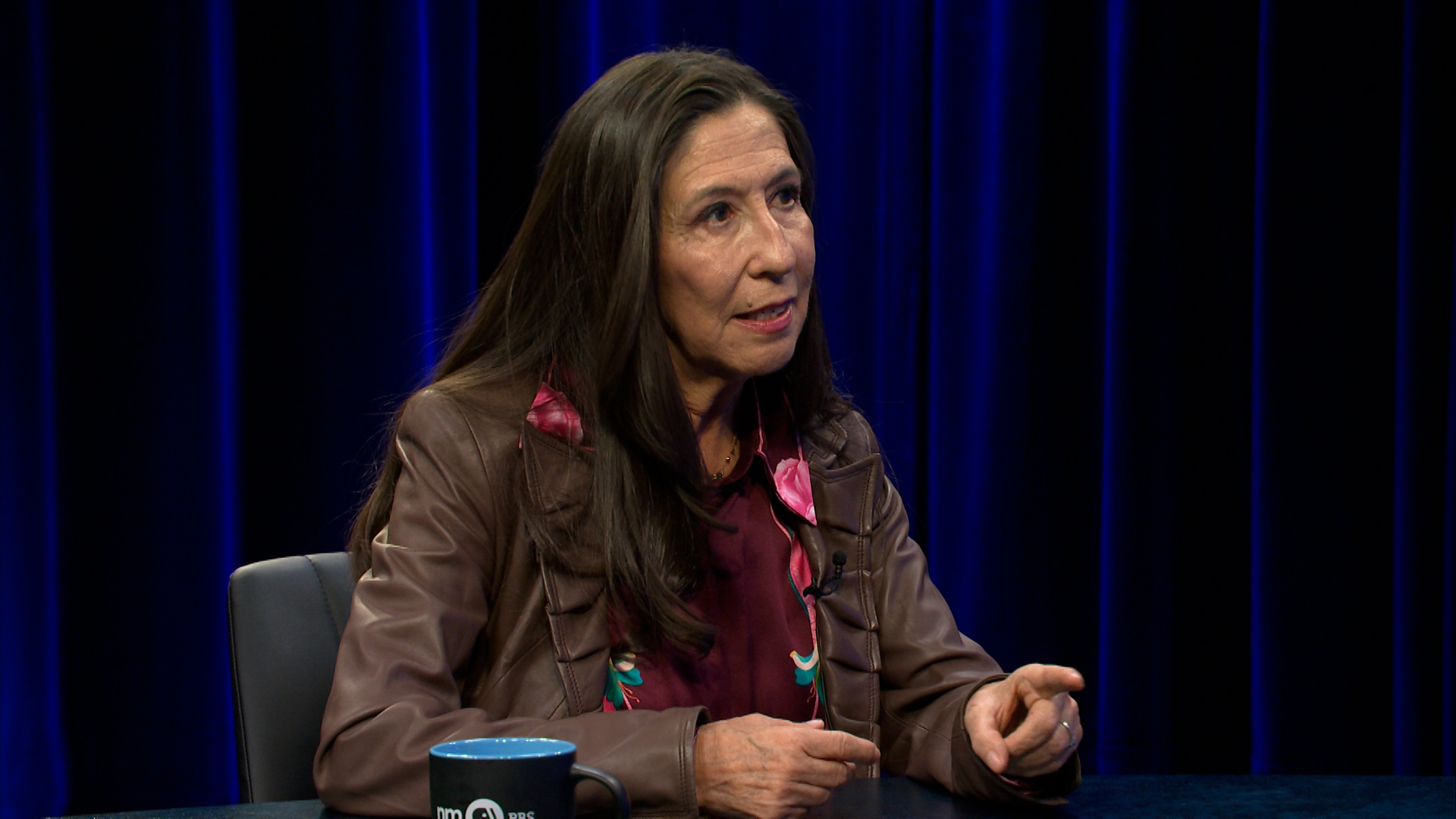
4.17.26 – Host Nash Jones talks with U.S. Rep. Teresa Leger Fernandez, D-N.M., about the war in Iran and the position she and her Democratic colleagues are in as the minority party in a Congress that never formally authorized military action in the first place. Host: Nash Jones Guest: U.S. Rep. Teresa Leger Fernandez, D-N.M. For More Information: New Mexico…
-
Generations Divided on Legacy of Cesar Chavez
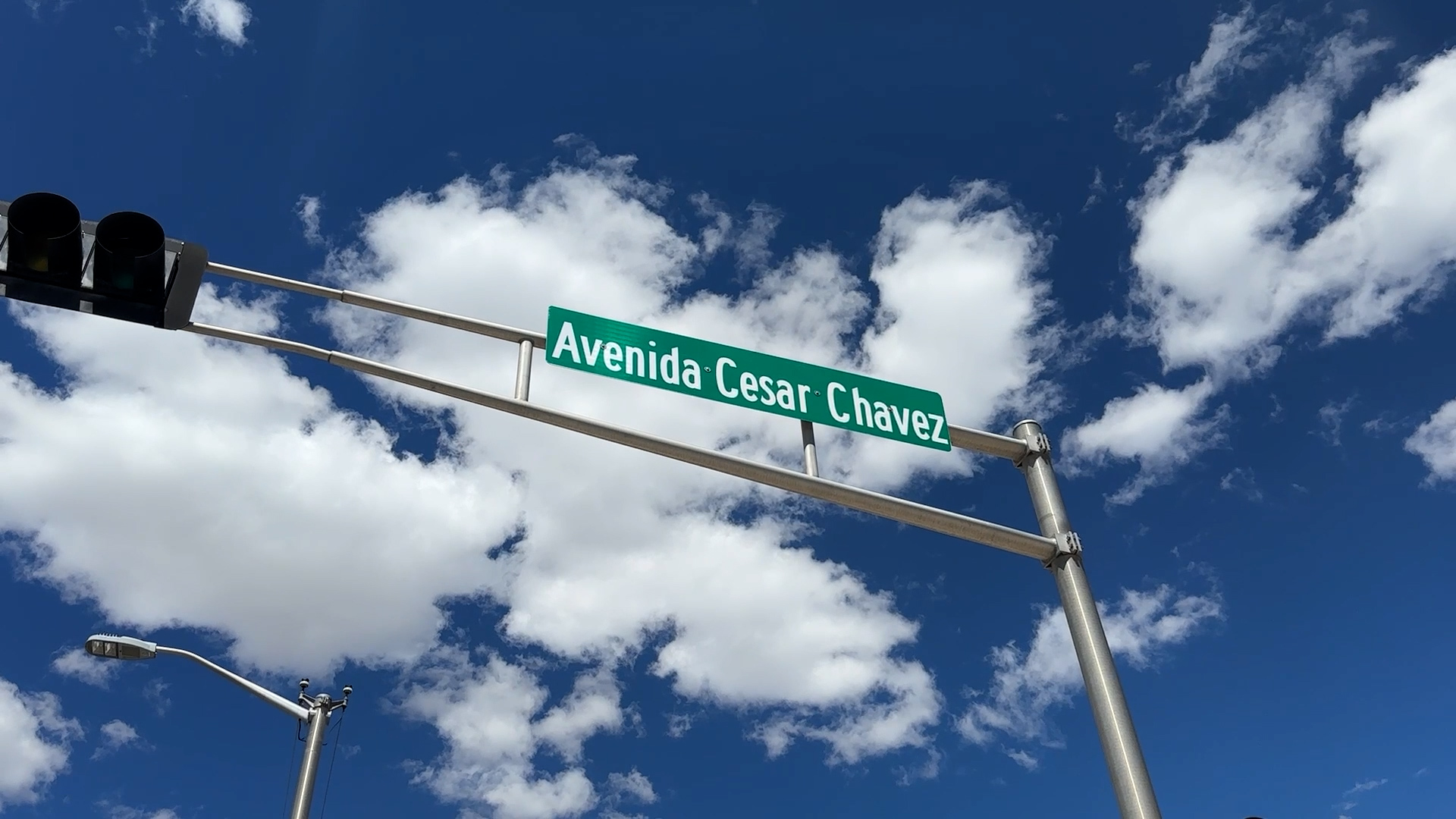
4.17.26 – A month has passed since a New York Times investigation revealed decades of alleged sexual abuse and child rape by Cesar Chavez, reigniting thorny conversations around the Chicano labor organizer’s legacy. In Focus reporter Cailley Chella delves into what that’s looked like in New Mexico — home state of Chavez’s fellow labor leader Dolores Huerta, who’s now disclosed her own account of Chavez…
-
Trump Eyes Public Lands in New Mexico
4.17.26 – U.S. Rep. Teresa Leger Fernandez, D-NM, spoke with Nash Jones about the Trump administration’s plans to roll back protections for public lands in her district. Host: Nash Jones Guest: U.S. Rep. Teresa Leger Fernandez, D-N.M. For More Information: New Mexico officials, tribal leaders vow to oppose slate of federal actions on public lands – Source New Mexico