
Shine a Light
James Madison was born 275 years and three days ago as I sit here now, wrestling with the tyranny of the blank page that confronts me. That was March 16, 1751, for those disinclined to do the math.
Madison’s resume is stout: primary instigator of 1787’s Constitutional Convention, OG Bill of Rights scribe, fourth US president — you get the picture. But it was his attitude toward how government should function that lands him at the top of this column. Madison summed it up thusly: “A popular government, without popular information, or the means of acquiring it, is but a prologue to a farce or a tragedy; or, perhaps both.”
That come-from inspired the Florida Society of News Editors to peg the first “Sunshine Sunday” to Madison’s birthday back in 2002. The event — a response to the largest assault (to that point) on government transparency and civil liberties in our nation’s history following the terrorist attacks of Sept. 11, 2001 — grew quickly.
By 2005, seven days, still calendared around Madison’s birthday, were required to accommodate appetites for defying secrecy in the halls of power. And so, Sunshine Week was born.
The occasion invites us to celebrate flashlights trained on the dark corners where graft and corruption congeal — and to shame those who cling steadfastly to governance pockmarked with restrictions. This recognition comes in myriad forms, from speaker events to conferences to perhaps my favorite annual Sunshine Week tradition: publication of “The Foilies,” a joint venture from the Electronic Frontier Foundation and MuckRock that takes a delightfully cynical approach to dragging egregious and serial offenders of the public’s right to know from the shadows and onto newspaper and online front pages all over the country. (I am pleased to report that the Santa Fe Reporter, one of my old journalism homes, still runs The Foilies on the cover of its print edition every Sunshine Week.)
I’ve penned my share of Sunshine Week screeds through the years — for the aforementioned SFR, for the Rio Grande chapter of the Society of Professional Journalists, for The Paper., and elsewhere. Reading back through them left me feeling a bit less than sunny. They reminded me of how much we lose with each flip of the calendar in the push for more information about the fashion in which we’re governed.
But last week, as I looked ahead to Sunshine Week, I remembered that I am the executive producer for news and public affairs here at NMPBS. That means I have some agency in all of this: an hour of public television each week to nail down issues others couldn’t seem to get a line on, and that my team and I believe are important to our audience.
Transparency! Sunshine Week!
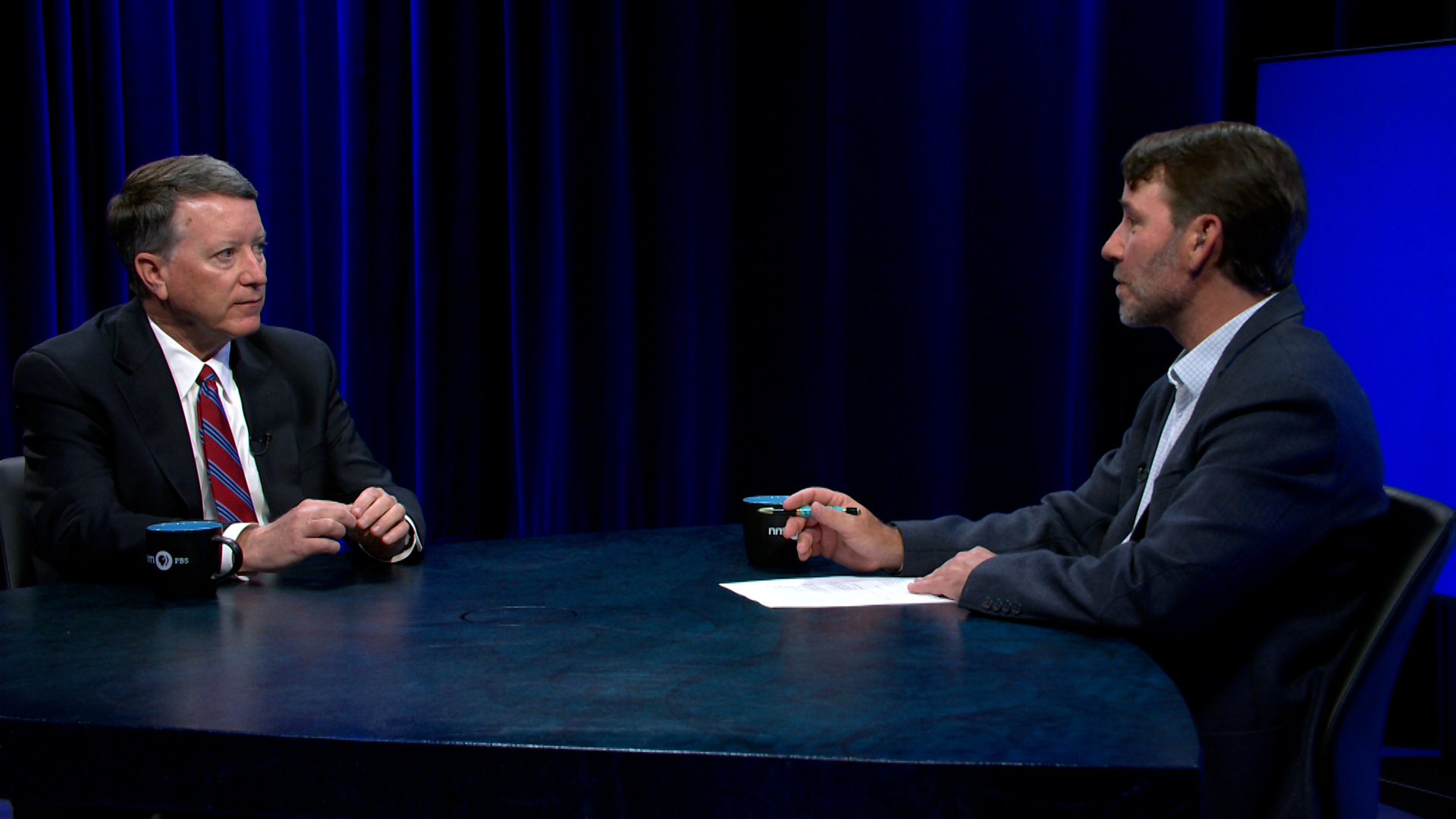
I asked Greg Williams, a longtime fellow- combatant in the anti-secrecy wars and a board member with the New Mexico Foundation for Open Government, to come in for a transparency state of the union of sorts. “It’s 2026, I’ve had this job nearly three years to the day, and I haven’t done a Sunshine Week segment yet,” I told Greg. “Let’s take stock.”
He agreed and, as we began our interview, Greg’s reminder that New Mexico has one of the best sunshine laws in the country buoyed me instantly. That would be the Inspection of Public Records Act, known as IPRA. But the law is like a muscle — without exercise, it atrophies. And each year, efforts begin in the dark to weaken it, then reach the Legislature as IPRA amendments or other, insidious statutes with bright, smiley names that are in fact meant to cloak the actions of government.
Greg and I discussed at length the driving force behind recent efforts: a narrative that the growing volume of IPRA requests has made the law unworkable and, so, it must be reined in. NMFOG is sympathetic to the argument; the number of requests for records has, indeed, exploded (We’re seeing some novel explanations for the increase, including the specter of data-scraping tools and artificial intelligence bots from overseas.)
But Greg cautions against trying to address the problem by monkeying with the law. Why not, instead, dedicate more resources to the records custodians whose legal responsibility it is to fulfill requests in a timely fashion? There’s an idea.
We also got into House Joint Memorial 2, which the Legislature passed last month to set up a “task force” to “study IPRA implementation.” Many of the leading voices in the “IPRA is out of control and must be stopped!” crowd will populate this “task force.” And for my money, anytime the Legislature gets near IPRA, there is cause for alarm. This is, after all, the same governing body that exempted its own emails from the sunshine law years ago.
But guess who else will be on the “task force?”
NMFOG.
Much of what the foundation does in terms of legislative advocacy amounts to playing defense, Greg explained. I’ve been aligned with NMFOG my whole career and was honored in 2012 to accept the group’s William S Dixon First Amendment Freedom Award for Advancing Transparency through journalism So, I’ve seen the foundation’s goal-line stands up close many times.
I’m so glad NMFOG will be in the room for this latest round of what surely will amount to another effort to act out the farce, tragedy — or both — Madison warned against two-and-a-half centuries ago: a popular government, without popular information of the means of acquiring it.
Happy Sunshine Week to those, like Greg and me, who celebrate.
– Jeff Proctor, NMiF Executive Producer
-
Shine a Light
James Madison was born 275 years and three days ago as I sit here now, wrestling with the tyranny of the blank page that confronts me. That was March 16, 1751, for those disinclined to do the math. Madison’s resume is stout: primary instigator of 1787’s Constitutional Convention, OG Bill of Rights scribe, fourth US president — you get the picture. But it…
-
Local and State Government Transparency in 2026
3.20.26 – We’re marking Sunshine Week — the annual celebration of the fight for government transparency — with the New Mexico Foundation for Open Government. Executive Producer Jeff Proctor sat down with NMFOG board member Greg Williams to evaluate the state of local government transparency, where the light shines brightly in New Mexico, and what remains in the shadows. Correspondent: Jeff…
-
Martha Burk and Augusta National, 20 Years Later
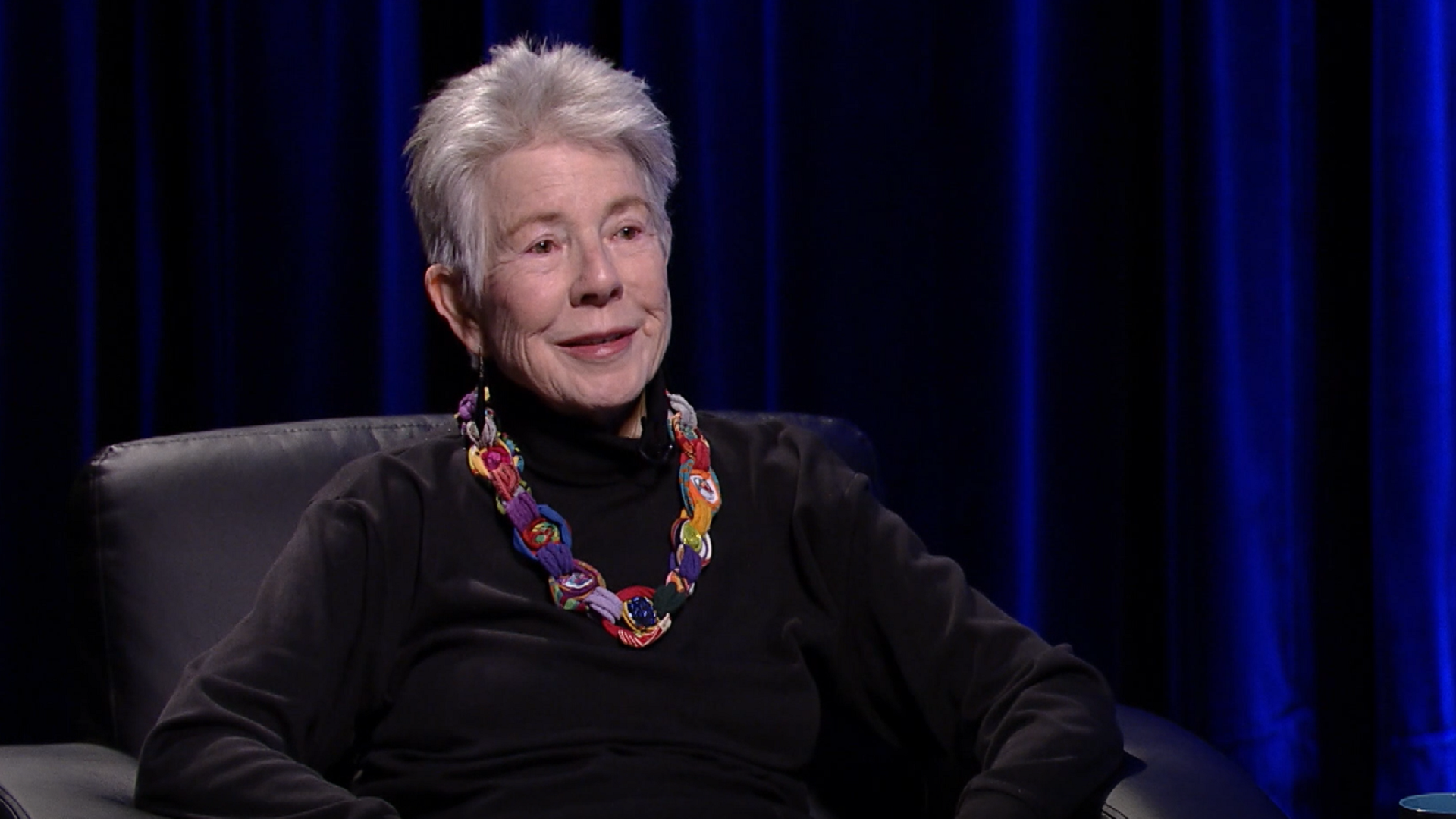
3.20.26 – We revisit a conversation from 2023 with Martha Burk — former chair of the National Council of Women’s Organizations — about a letter she sent more than two decades ago that rocked the insular, men’s-only membership of the Augusta National Golf Club. Correspondent: Jeff Proctor Guest: Martha Burk, Author, Host of the Podcast ‘Equal Time with Martha Burk’
-
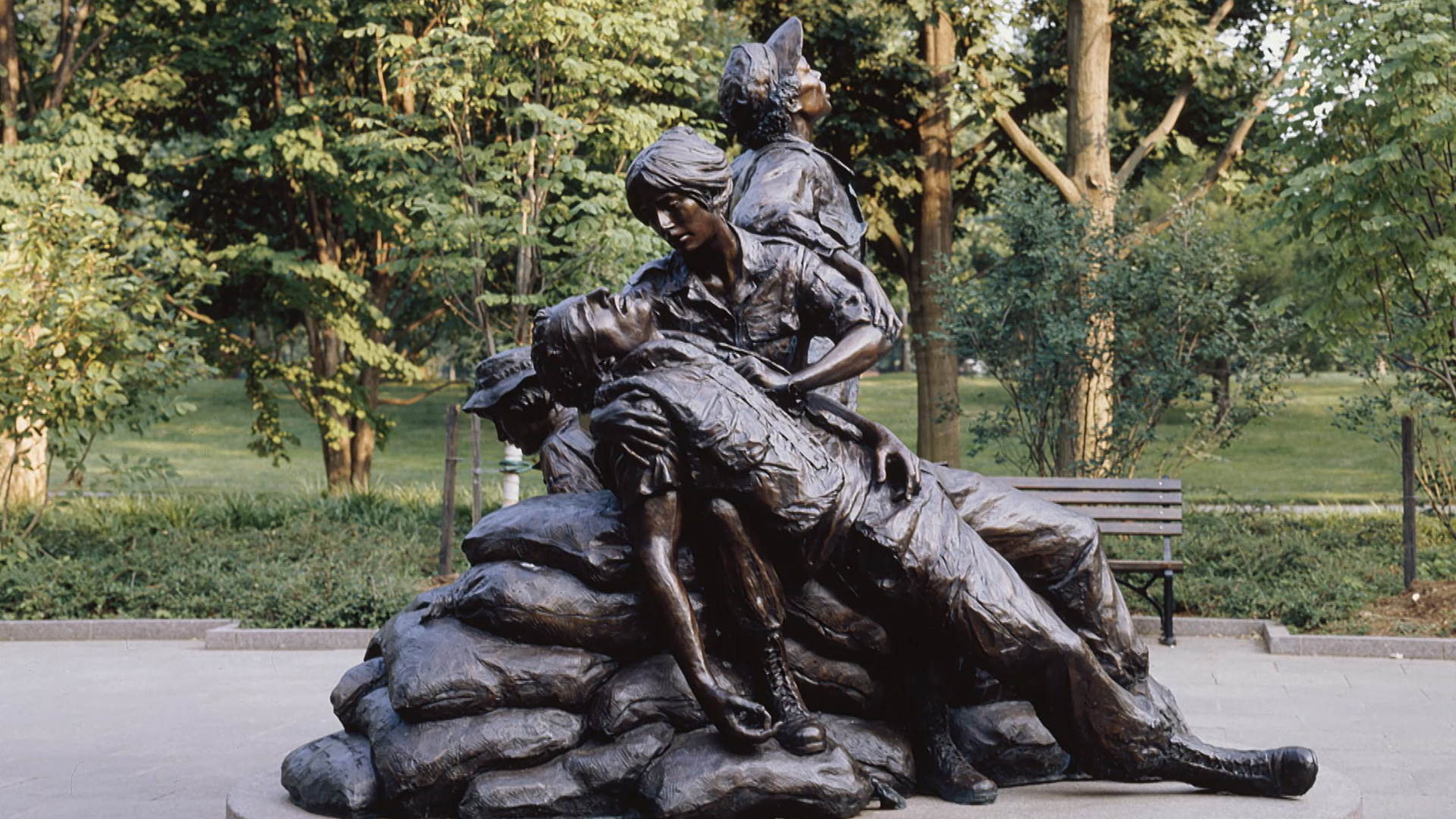
30th Anniversary of the Vietnam Women’s Memorial
3.20.26 – Back in 1993, the Vietnam Women’s Memorial became the first monument to honor women —installed on the National Mall in Washington, DC. Thirty years later, Faith Perez, host of the NMPBS arts and culture program ¡Colores!, spoke with two local nurses who served in Vietnam about what the memorial — and its acknowledgement of that war’s…
-

UNM Law Students Against Gendered Acting Categories at the Oscars
3.20.26 – For nearly a century now, the Academy of Motion Picture Arts and Sciences has gendered its awards for performers. A few years back, a group of undergraduate constitutional law students at the University of New Mexico questioned that structure — and their report made it all the way to the Academy’s Board of Governors. Last year, Senior…
-
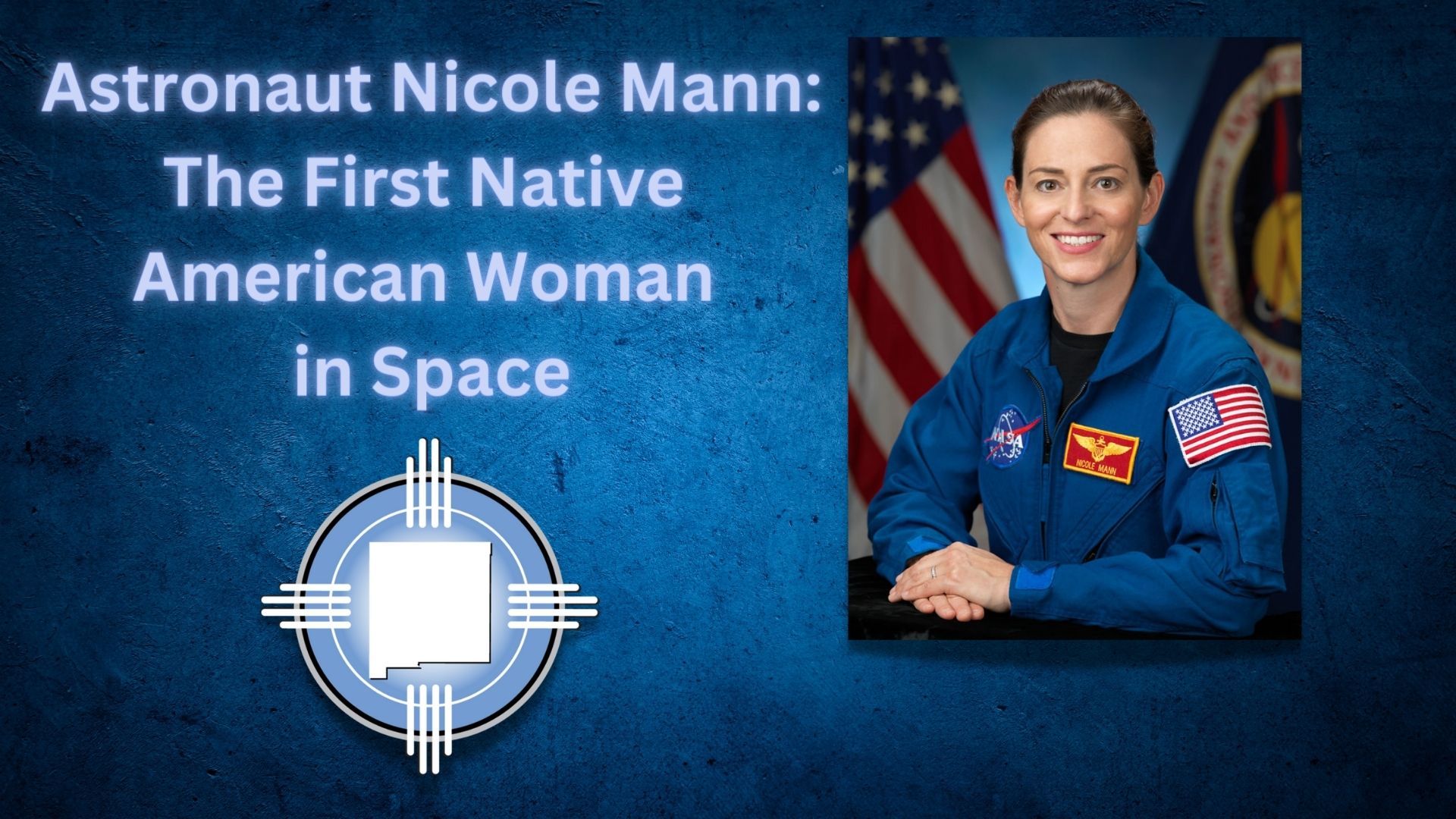
First Native American Woman in Space
3.20.26 – On Oct. 5, 2022, NASA’s “SpaceX Crew-5” launched from the Kennedy Space Center with astronaut Nicole Mann not only on board, but commanding the mission. That day, she became the first Native American woman in space. Before she blasted off on her historic mission, Mann caught up with correspondent Antonia Gonzales. Correspondent: Antonia Gonzales Guest: Nicole Mann…