

‘An alarm bell’: Los Alamos Visiting Nurse Service shutters amid turmoil for home health care
by Margaret O’Hara
This story was originally published at Searchlight New Mexico, a NMPBS partner.
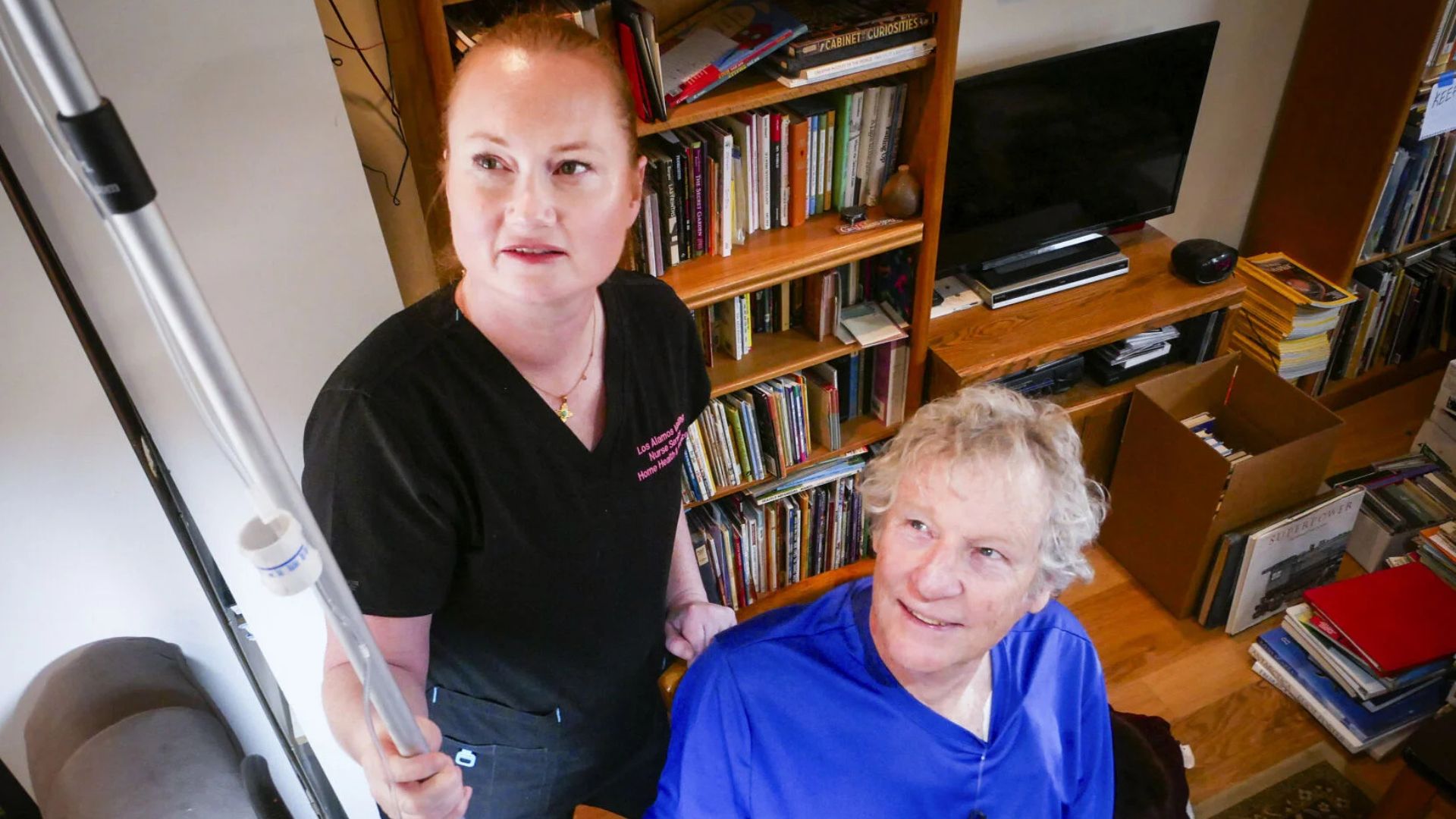
A home health and hospice agency that has been serving Los Alamos and Rio Arriba counties for more than 50 years will shutter later this month, a closure agency officials attributed to decreasing revenue from patient insurance and sharply rising health care costs.
Los Alamos Visiting Nurse Service will halt operations Friday.
The loss should serve as a warning, said Meggin Lorino, executive director of the New Mexico Association for Home and Hospice Care. Chronic underfunding poses a threat to all home health and personal care service providers, she said, and policy changes at the state and federal level are needed to stabilize the industry.
“The closure of Los Alamos Visiting Nurses is an alarm bell that all of these underinvestments in care in the home are coming to roost,” Lorino said.
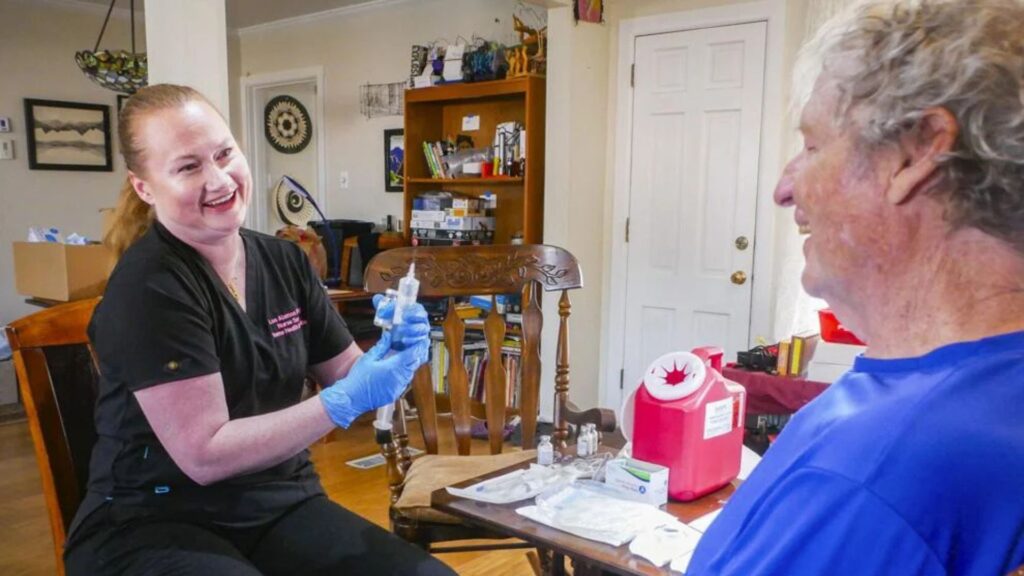
The decision to shutter Los Alamos Visiting Nurses comes as rural health care providers grapple with an abundance of challenges, which range from operating on razor-thin financial margins to impending cuts to Medicaid to the added pressures of the state’s aging population. Bolstering the state’s health care system has turned into a central issue of this year’s regular session of the New Mexico Legislature, which concludes Thursday.
Lorino argued investments in home health care now can save costs in the long term by preventing patients from cycling through expensive hospital stays.
“We know that, in the long run, we help save health care delivery dollars, but … we are not in a reality where that kind of long-term thinking and forward-thinking is really embraced,” Lorino said.
‘Can’t keep up’
In Santa Fe, a home health care provider might be able to visit seven patients within an eight-hour shift, driving from one in-town appointment to another.
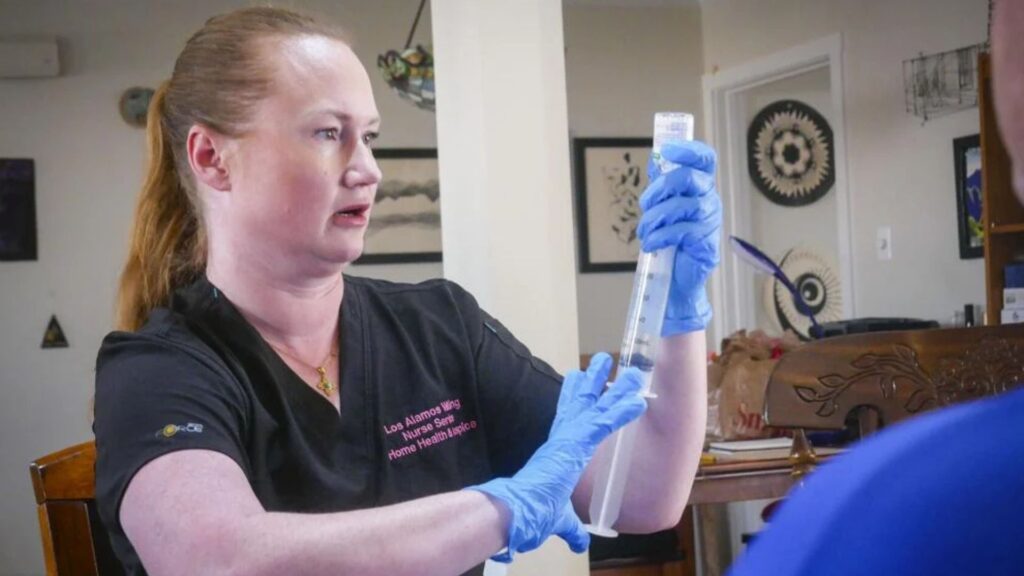
For Los Alamos Visiting Nurse Service — which until next week will serve locations throughout a 32-mile radius of its Los Alamos office — that’s not the case, said clinical manager Susie Edwards. One patient might live in White Rock, the next in Chimayó, the next in San Ildefonso Pueblo.
The demand was there. New Mexico is home to a growing number of seniors: The state’s over-65 population grew nearly 40% between 2010 and 2019, outpacing the rest of the nation, and the trend will continue. Demand for health care services — including home-based care, since many seniors live in rural areas and want to age in place — is expected to rise with the demographic shift known as a “silver tsunami.”
Los Alamos Visiting Nurse Service often operated with a wait list for physical therapy services.
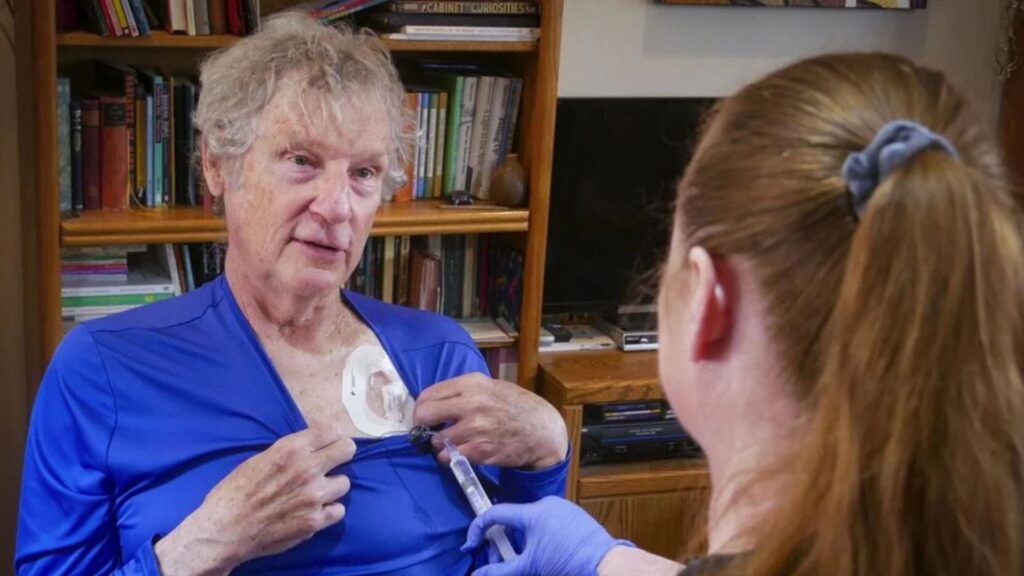
After accounting for drive time, however, providers with Los Alamos Visiting Nurse Service couldn’t see the volume of patients that counterparts in more urban areas could, Edwards said.
“You just can’t keep up,” she said.
Maintaining the right volume of patients is critical to the financial solvency of any health care venture. Insurance — including Medicare and Medicaid, which together cover nearly half of New Mexico residents, according to data from the health research and polling organization KFF — reimburses providers per patient served.
Crucially, Lorino said, those reimbursement rates don’t pay for drive time between appointments — which leave rural providers traveling long distances at a disadvantage.
“The universal pay model that a lot of these companies have do not take into consideration what it is like to provide care in a rural setting. And so, I think that’s really what put us at a disadvantage,” Edwards said.
While Los Alamos Visiting Nurse Service grappled with limitations on revenue, costs — for staffing, supplies, insurance, technology and other necessities — increased, Edwards said. After factoring in inflation and rising costs, she estimated the agency has seen a 20% decrease in reimbursement since the early 2000s.
The New Mexico Association for Home and Hospice Care estimates over half of agencies providing that care in the state are not profitable, which Lorino attributed to unfavorable reimbursement models at the federal level.
Providers, she said, are “just getting squeezed at every single angle, and so there’s fewer and fewer dollars there.”
Especially in rural areas, those challenges compound with limited health care infrastructure and a smaller pool of providers in the workforce.
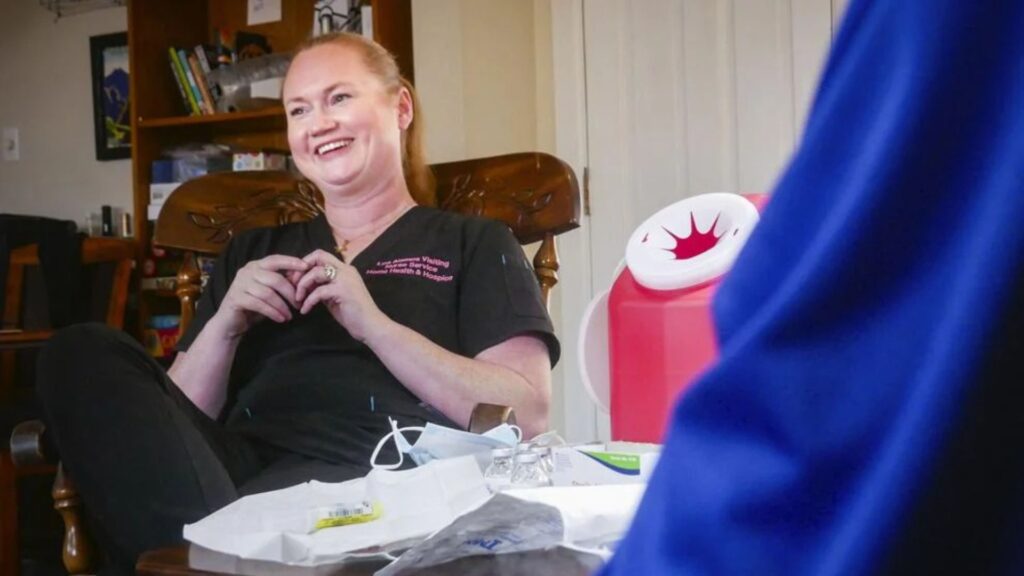
Mounting financial pressure, combined with resignations of the agency’s medical director for hospice and another registered nurse, sounded the death knell for Los Alamos Visiting Nurse Service, Edwards said.
“When we took another look at the financial picture, it was really time to close the entire business down,” she said.
There is a sliver of good news in all of this, Edwards said: Other agencies operating in the area have been willing to take on Los Alamos Visiting Nurse Service’s patients, meaning the closure shouldn’t leave them without the care they need. She said she doesn’t expect a hole in home health and hospice services in the area.
“It’s really kind of beautiful to see how the home and hospice community has stepped up. … It’s been absolutely terrifying to worry that you’re not going to be able to discharge these patients to anyone,” Edwards said.
Ensuring patients are cared for at home is an important step to keep them from cycling through hospital stays — which are more costly to the patient, to the health care system and to taxpayers — Edwards said.
But she argued policy change is needed to ensure New Mexico’s rural residents continue to have access to home health care.
Potential policy change
Making meaningful policy changes for the home health system is a matter of money, Lorino said.
“I hate when the answer is always just, ‘We need money. We need funding,’ ” she said. “But the answer is adequate funding for these programs, and I think that we need lawmakers and policymakers to better understand what it takes to adequately fund these programs.”
Lorino said changes at the federal level will be required to increase and stabilize Medicare reimbursement rates and ensure compensation factors in drive time for agencies that serve rural communities.
But it can be difficult for home health agencies from small states like New Mexico to make headway at the federal level — something Lorino said makes her feel the “invisibility” of the home health workforce.
Recent policy changes at the federal level have also brought about grave concern for the future of rural health care in New Mexico and beyond. Medicaid cuts included in the federal budget reconciliation bill, which was signed into law by President Donald Trump in July, could result in the closure of six to eight rural New Mexico hospitals by 2028, according to estimates from the state Health Care Authority.
An analysis by health research and polling organization KFF shows a $50 billion federal investment in rural health care will offset just 37% of the funding providers are set to lose through Medicaid spending cuts in rural areas.
Advocacy at the state level has proven a little more successful.
During this year’s legislative session, a bipartisan group of lawmakers introduced House Bill 83, which would have provided $51 million to increase Medicaid reimbursement rates for personal care services, or help with activities of daily living like bathing, dressing, eating and using the bathroom.
To Rep. Rebecca Dow, a Truth or Consequences Republican and sponsor of HB 83, the reasoning behind the bill was twofold. It would keep aging and sick residents in their homes while saving taxpayer dollars in the long run.
“I believe in family first; I want to see families stay together,” Dow said. “From a fiscal conservative perspective, adequately funding a high-quality personal care provider network saves taxpayers huge amounts of money versus assisted living and long-term care.”
The bill wouldn’t have affected home health care providers like Los Alamos Visiting Nurse Service, since they provide medical care — rather than personal care — to patients at home. Lorino argued, however, HB 83 is still a change at the state level that would better support providers of home-based care.
HB 83 won’t pass this year; it was halted by the House Rules and Order of Business Committee.
Instead, lawmakers came to a compromise in the state budget bill, House Bill 2. The version of the budget that made it through the Senate Finance Committee on Sunday includes $10 million for rate increases for personal care services, after advocacy efforts by the New Mexico Association for Home and Hospice Care.
New policy in the future won’t change the present for Los Alamos Visiting Nurse Service. Lorino said she was “really saddened” to learn the organization will no longer be able to provide care in Los Alamos and Rio Arriba counties.
But she said the agency’s closure should serve as a warning. She hopes it raises policymakers’ awareness of the consequences of underinvestment in home care for rural New Mexicans.
For Edwards, working in home health and hospice care offered its own kind of relief.
In her more than two decades as a registered nurse — with much of that time spent working in New Mexico emergency rooms — Edwards said she felt the burnout that often comes with the profession. The feeling dissipated when she made the switch to home care and started making authentic connections with patients.
“It’s been one of the most beautiful things that I stumbled into,” Edwards said.
This story was originally published at Searchlight New Mexico, a NMPBS partner.